Grand-Hornu
A neoclassical industrial complex of the 1820s built for a coal company, now a design and art museum.
Saved in this browser only - no account, nothing sent anywhere. See your map
UNESCO World Heritage
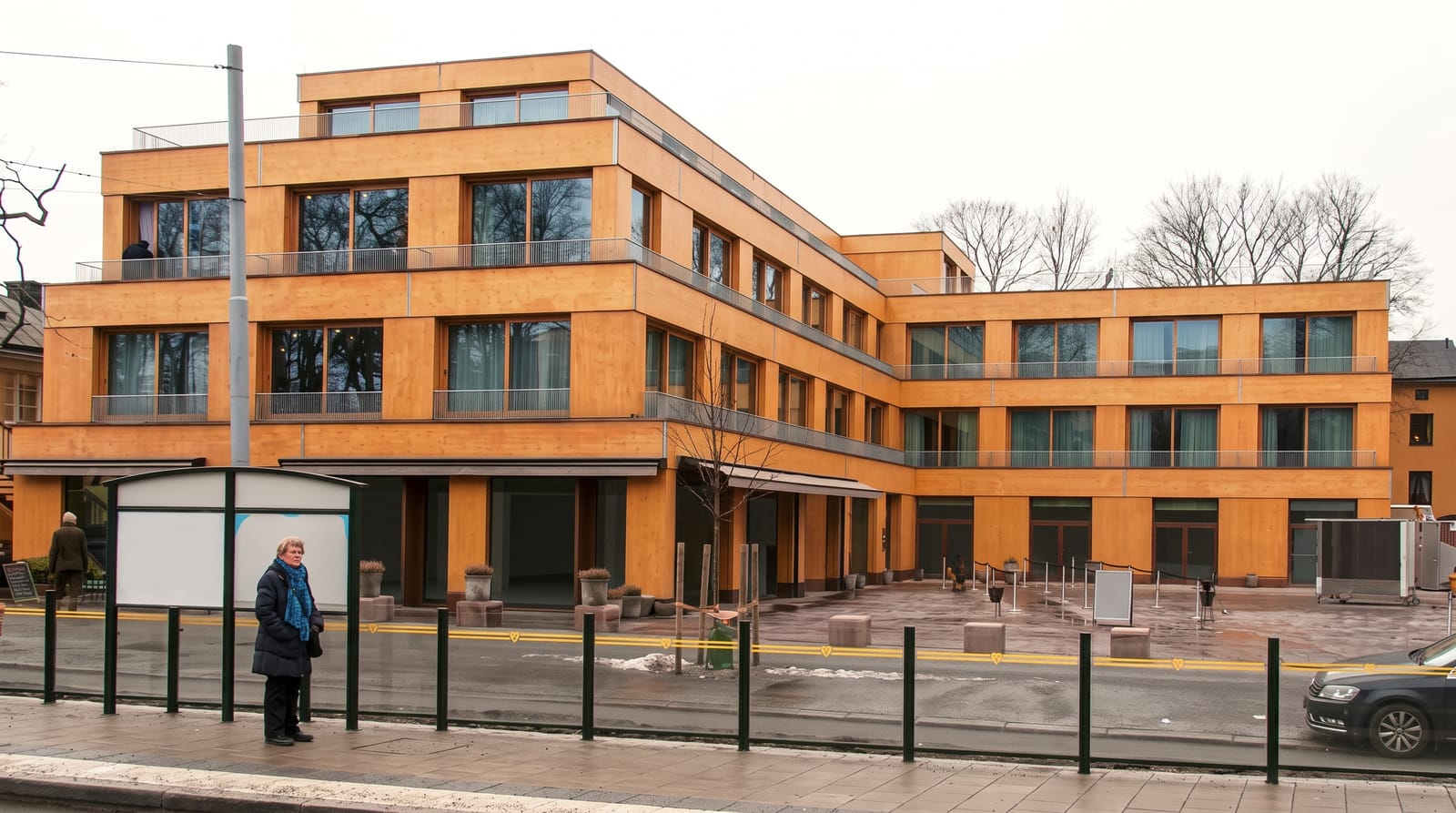
Grand-Hornu was built between 1810 and 1830 by Henri De Gorge as the complete infrastructure of a coal company: workshops and offices around a great oval courtyard in neoclassical brick with arcades and pediments, a house for the owner, and beyond it a planned workers' village of over four hundred houses with gardens, streets and shared facilities, an early and unusually thorough example of industrial paternalism. The mine closed in 1954 and the complex was nearly demolished before an architect bought it in 1971 and began restoration. It now holds the Museum of Contemporary Arts of the French Community and a design centre, with the ruined and restored fabric left visible around them, and it was inscribed as one of the Major Mining Sites of Wallonia.
What you actually see
- The oval neoclassical courtyard - workshops and offices in arcaded brick.
- The planned workers' village - over four hundred houses with gardens.
- Contemporary art and design galleries - the museums inside the complex.
- Ruined fabric left visible - the restoration that did not smooth everything.
When to go
Year round. Two to three hours. Closed Mondays. Exhibitions change several times a year. The courtyard is impressive in any weather and is used for events in summer.
Honest expectations
The contemporary art programme is separate from the industrial history and some visitors come for one and get the other. Interpretation is in French. The workers' village is lived in and is walked from the street. It is out of the centre and needs a bus or car.
Nearby
Bois-du-Cazier is east; Mons lies east.
What to pack for Grand-Hornu
Chosen from what this place is for. Tap a kit for the full checklist.
Opening times, ticket prices and seasonal closures change - check the official source before you go: official site.