Waldviertel Poppy
A grey-seeded poppy grown on Waldviertel granite soils and eaten in cakes, dumplings and strudel, with fields in flower each June.
Updated 29 August 2026
The Waldviertler Graumohn is a poppy with grey-blue seed grown on the thin acid granite soils of the Waldviertel, protected under EU designation of origin, and it has been cultivated here for centuries because the crop tolerates ground that suits little else. The seed is pressed for oil or ground and used heavily in the local cooking: Mohnzelten, flat cakes of potato dough filled with sweetened poppy; Mohnnudeln, potato noodles rolled in ground poppy and butter; strudel, dumplings and cake. Armschlag, a hamlet in the district, markets itself as the poppy village with a museum, a mill and a restaurant working through the repertoire. For about two weeks in June the fields flower white, lilac and pink across the hills, which is the reason to time a visit.
What's there
- Fields in flower in June - white, lilac and pink across the granite uplands.
- A protected origin crop - grey-seeded poppy grown for centuries on poor soil.
- Mohnzelten and Mohnnudeln - the potato-dough cakes and noodles with ground poppy.
- Armschlag - the poppy village with mill, museum and restaurant.
When to go
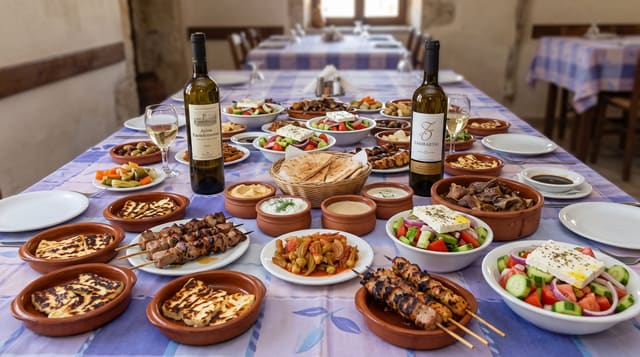
June for the flowering; the food is available all year. A meal.
Practical notes
The bloom lasts about two weeks and the date moves with the weather. Fields are private - stay on paths and roads. The Waldviertel is remote and needs a car.
Nearby
Zwettl Abbey is south-west; Ottenstein reservoir and the Kamptal are east.
What to pack for Waldviertel Poppy
Chosen from what this place is for. Tap a kit for the full checklist.
- A reusable bag or container - For market produce and cutting down on packaging. Find on Amazon
- Wet wipes + hand sanitiser - Street food and washbasins do not always go together. Find on Amazon
Some links on this page are Amazon affiliate links - if you buy through them we may earn a small commission at no extra cost to you.
All packing kitsPlan your trip
Where to start if Waldviertel Poppy is going on the list.
Booking links on this page are affiliate links - if you book through them we may earn a small commission at no extra cost to you. It never changes what we write about a place.
Opening times, ticket prices and seasonal closures change - check the official source before you go: official site.