Lightning Ridge
An outback town built on black opal, where miners live among diggings, self-guided car door tours and a bore bath.
Updated 4 September 2026
AI illustration
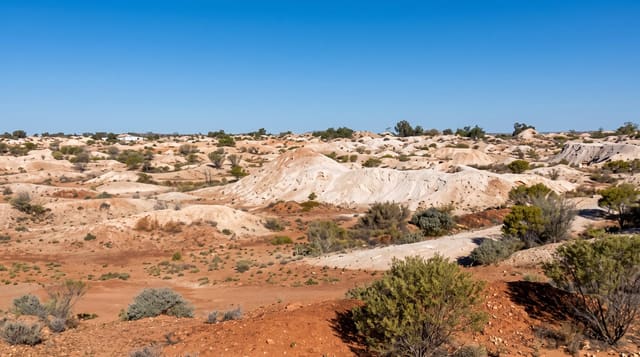
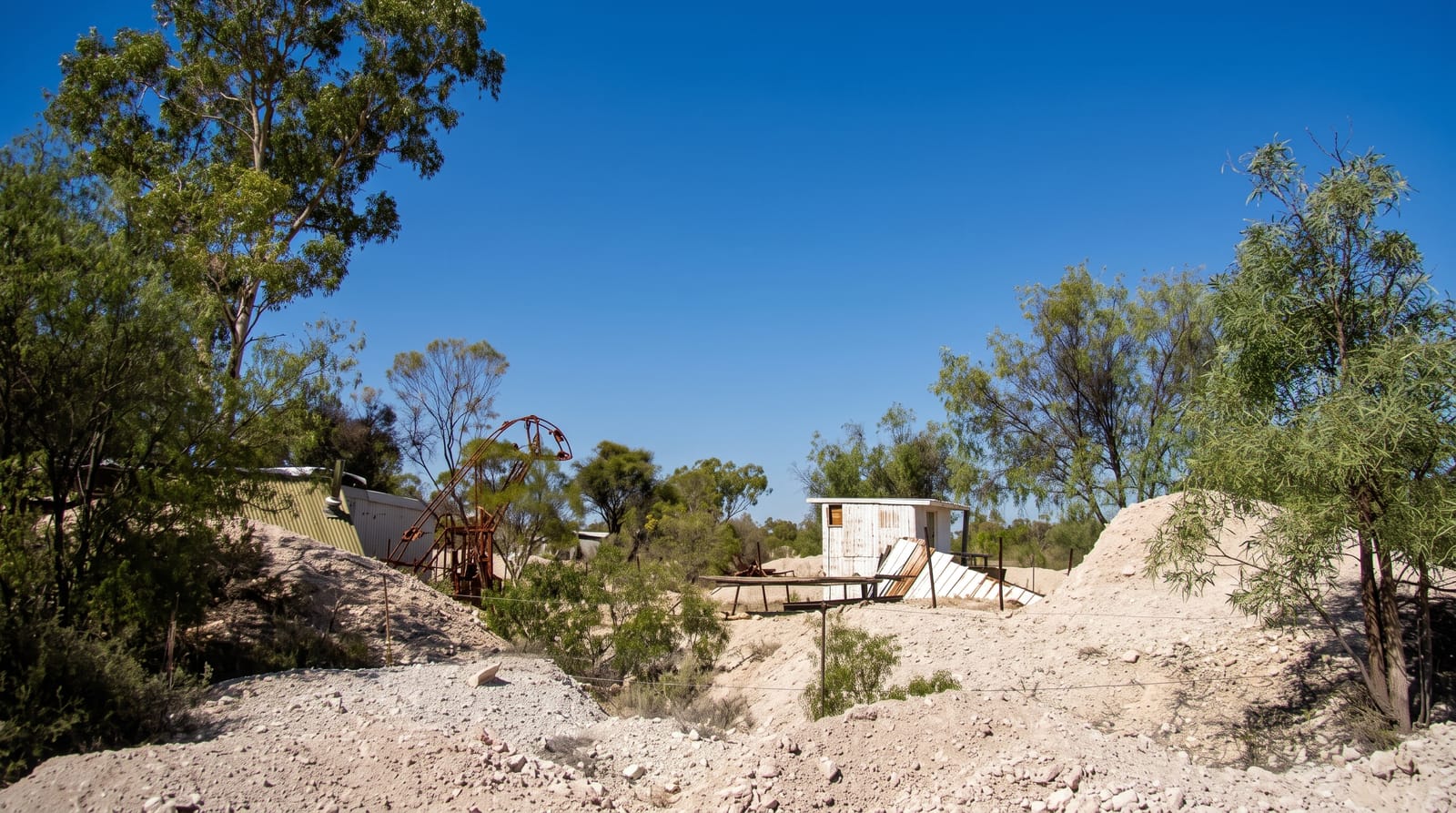
Lightning Ridge produces black opal, the rarest and most valuable kind, and almost everything in the town relates to it: shafts and mullock heaps surround the settlement, dugout homes are cut into the ground, and the population fluctuates with the seasons and the finds. Visitors navigate by the Car Door Tours, four self-guided routes marked by painted car doors nailed up at junctions, which lead to lookouts, eccentric owner-built structures like the Amigo's Castle and the Astronomer's Monument, and working claims. Underground mine tours run daily, the Australian Opal Centre holds fossils and opal displays, and the artesian bore bath on the town's edge is free and open around the clock.
What you'll find
- The Car Door Tours - self-guided routes marked by painted car doors.
- The opal mines - underground tours through working and historic claims.
- The bore bath - free artesian hot pool open day and night.
- The eccentric buildings - owner-built castles and monuments in the scrub.
When to go
April to September; summer temperatures regularly pass forty degrees and mining slows. Winter nights are cold but days are perfect. The town is quieter in the hot months, with some businesses closing.
What to expect
The landscape is scarred by mining and looks it. Old shafts are a genuine hazard and wandering off marked routes is dangerous. Opal buying requires care, since quality and treatment vary widely. Services are limited and the town is a long way from anywhere.
Nearby
Walgett lies south; the Queensland border and Hebel are north.
Key facts
Source: Wikidata, item Q1001654, read on 18 October 2026.
What to pack for Lightning Ridge
Chosen from what this place is for. Tap a kit for the full checklist.
- Head torch + spare batteries - Hands-free light is essential; caves are truly dark. Find on Amazon
- Comfortable walking shoes - Sightseeing means kilometres of pavement and cobbles daily. Find on Amazon
- Grippy closed shoes - Cave floors are wet, muddy and slick with formations. Find on Amazon
- A slim anti-theft daypack - Zips that close properly; keep it in front in crowds and on transit. Find on Amazon
Some links on this page are Amazon affiliate links - if you buy through them we may earn a small commission at no extra cost to you.
All packing kitsPlan your trip
Where to start if Lightning Ridge is going on the list.
Booking links on this page are affiliate links - if you book through them we may earn a small commission at no extra cost to you. It never changes what we write about a place.
Opening times, ticket prices and seasonal closures change - check the official source before you go: official site.