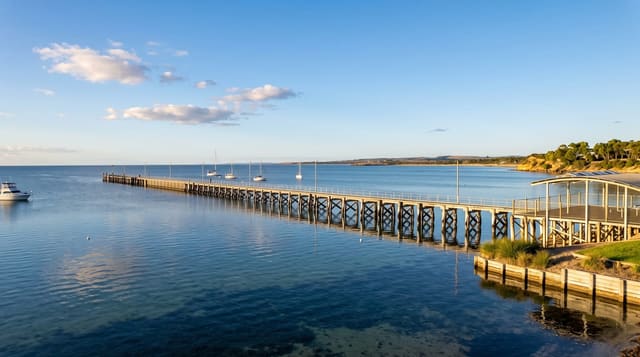
Head of Bight
Clifftop boardwalks above the calving ground where southern right whales gather in numbers each winter.
Updated 21 October 2026
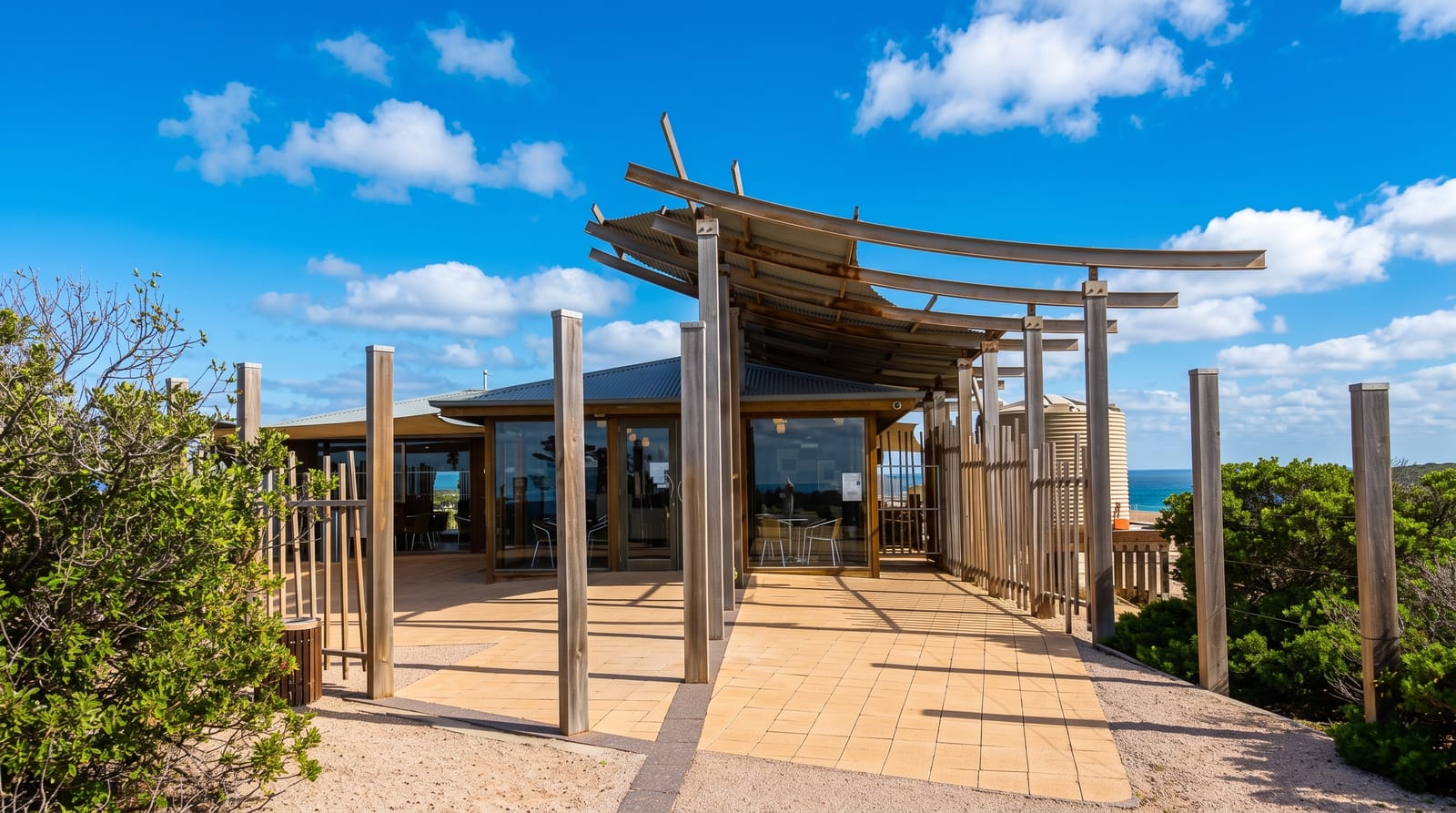
AI illustration
At the Head of Bight, the Bunda Cliffs curve around the northernmost point of the Great Australian Bight, and the sheltered water below has become one of the main calving grounds for southern right whales in Australia. From June to October, dozens of females arrive to give birth and nurse, and because the water is deep close to the cliffs, they can be watched from boardwalks and platforms directly above, sometimes only a few dozen metres out. The site is managed by the local Aboriginal communities, with an interpretive centre and staff counting the whales daily. Outside the season, the cliffs and the enormous dune system to the east remain, but the whales are gone.
Highlights
- The whales below the cliffs - mothers and calves close inshore from June to October.
- The boardwalks - platforms built along the clifftop for viewing.
- The Bunda Cliffs - the limestone wall curving away east and west.
- The interpretive centre - the community-run visitor facility and whale counts.
When to go
June to October, with peak numbers usually in August; outside that window there is little to see and the centre may close. Mornings are calmer. Whale counts are published daily, so checking before driving out is worthwhile.
Things to know
Entry is charged and the site is remote, hundreds of kilometres from any town. Outside the whale season it is a cliff view for a fee. Wind is severe and the platforms are exposed. Binoculars help considerably.
Nearby
Nullarbor Roadhouse is the nearest fuel; Ceduna lies far east.
Key facts
Source: Wikidata, item Q5689386, read on 18 October 2026.
What to pack for Head of Bight
Chosen from what this place is for. Tap a kit for the full checklist.
- Broken-in walking shoes or boots - Grip and ankle support matter more than looks; never hike in brand-new boots. Find on Amazon
- Binoculars - The single best wildlife tool - even a compact pair transforms a sighting. Find on Amazon
- Loose, light, long clothing - Covering up beats bare skin in the desert - and locals dress this way for a reason. Find on Amazon
- Layers + a waterproof shell - Mountain weather turns fast; a packable rain jacket saves the day. Find on Amazon
Some links on this page are Amazon affiliate links - if you buy through them we may earn a small commission at no extra cost to you.
All packing kitsPlan your trip
Where to start if Head of Bight is going on the list.
Booking links on this page are affiliate links - if you book through them we may earn a small commission at no extra cost to you. It never changes what we write about a place.
Opening times, ticket prices and seasonal closures change - check the official source before you go: official site.