Fitzgerald River National Park
A biosphere reserve holding around twenty percent of Western Australia's plant species, including many found nowhere else.
Updated 12 October 2026
AI illustration
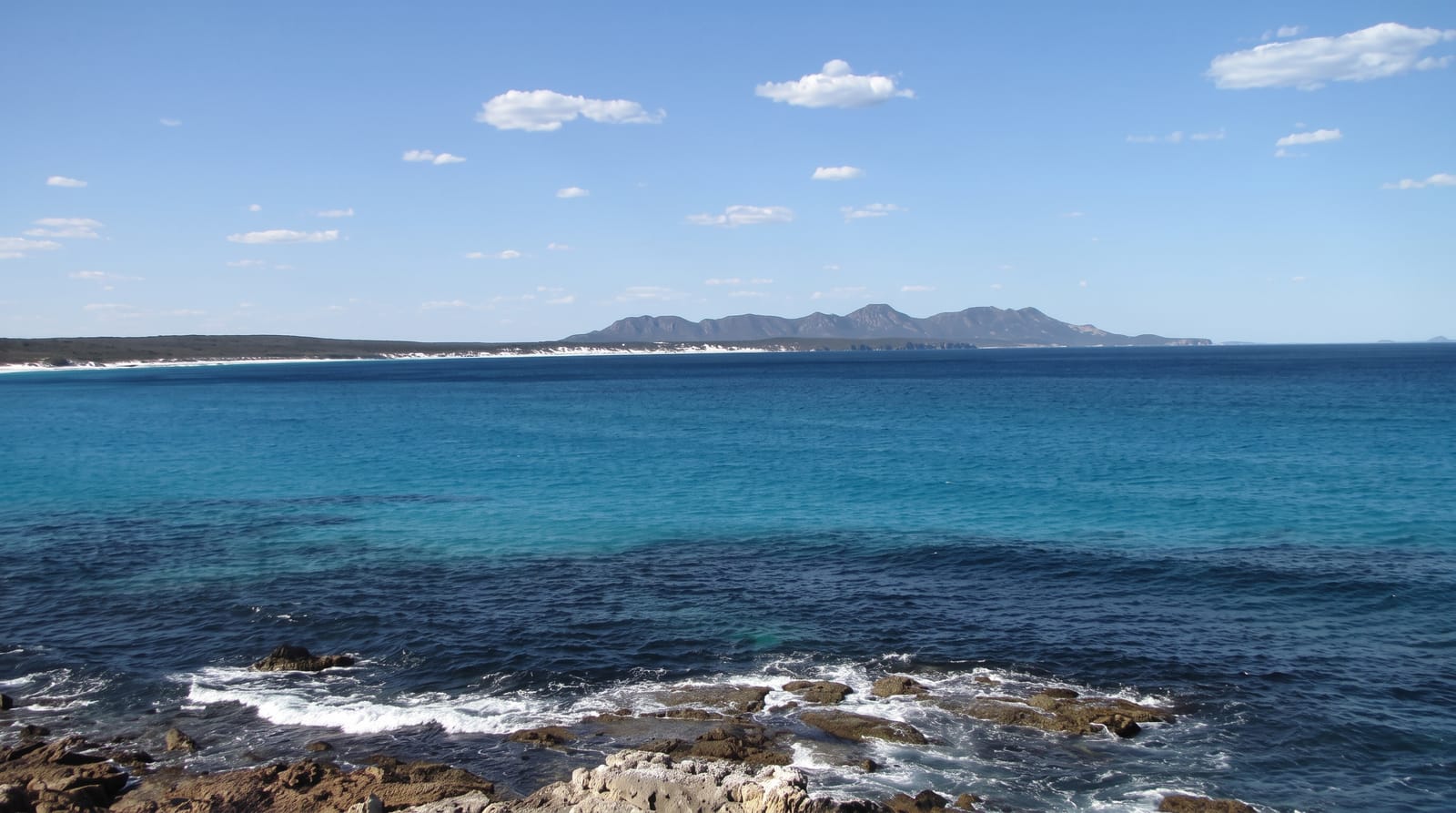
The Fitzgerald River park covers around three hundred thousand hectares of the south coast between Bremer Bay and Hopetoun, and its plant diversity is extraordinary: some eighteen hundred species have been recorded, close to twenty percent of the state's flora, with dozens found nowhere else, including the royal hakea, a plant with vivid orange and yellow variegated leaves that looks artificial. UNESCO recognises it as a biosphere reserve. The landscape ranges from quartzite peaks known as the Barrens to river gorges and a coast of white beaches. Southern right whales calve in the bays from June, and the park is one of the few places where the endangered dibbler survives.
What's there
- The royal hakea - the vivid variegated plant unique to this area.
- The Barrens - quartzite peaks including East and West Mount Barren.
- The coast - white beaches and bays with whales in winter.
- The wildflowers - some eighteen hundred species, flowering heavily in spring.
When to go
August to November for wildflowers, which are the park's main draw; whales calve in the bays from June to October. Summer is hot and the flowers gone. Interior roads are unsealed and close after rain.
Good to know
The park is large with limited through-roads, and the two ends are a long drive apart. Facilities are basic, with no fuel or shops inside. Phytophthora dieback controls require staying on tracks and cleaning boots. Wind on the coast is severe.
Nearby
Bremer Bay lies west; Hopetoun and Ravensthorpe are east.
Key facts
Source: Wikidata, item Q1421348, read on 18 October 2026.
What to pack for Fitzgerald River National Park
Chosen from what this place is for. Tap a kit for the full checklist.
- Broken-in walking shoes or boots - Grip and ankle support matter more than looks; never hike in brand-new boots. Find on Amazon
- Reef-safe sunscreen - High SPF that will not bleach the coral you are swimming over. Find on Amazon
- Binoculars - The single best wildlife tool - even a compact pair transforms a sighting. Find on Amazon
- Layers + a waterproof shell - Mountain weather turns fast; a packable rain jacket saves the day. Find on Amazon
Some links on this page are Amazon affiliate links - if you buy through them we may earn a small commission at no extra cost to you.
All packing kitsPlan your trip
Where to start if Fitzgerald River National Park is going on the list.
Booking links on this page are affiliate links - if you book through them we may earn a small commission at no extra cost to you. It never changes what we write about a place.
Opening times, ticket prices and seasonal closures change - check the official source before you go: official site.


