The Gardens of Babur
The first Mughal's resting terrace - Kabul's restored 16th-century garden of plane trees, marble and mountain views.
Updated 18 October 2026
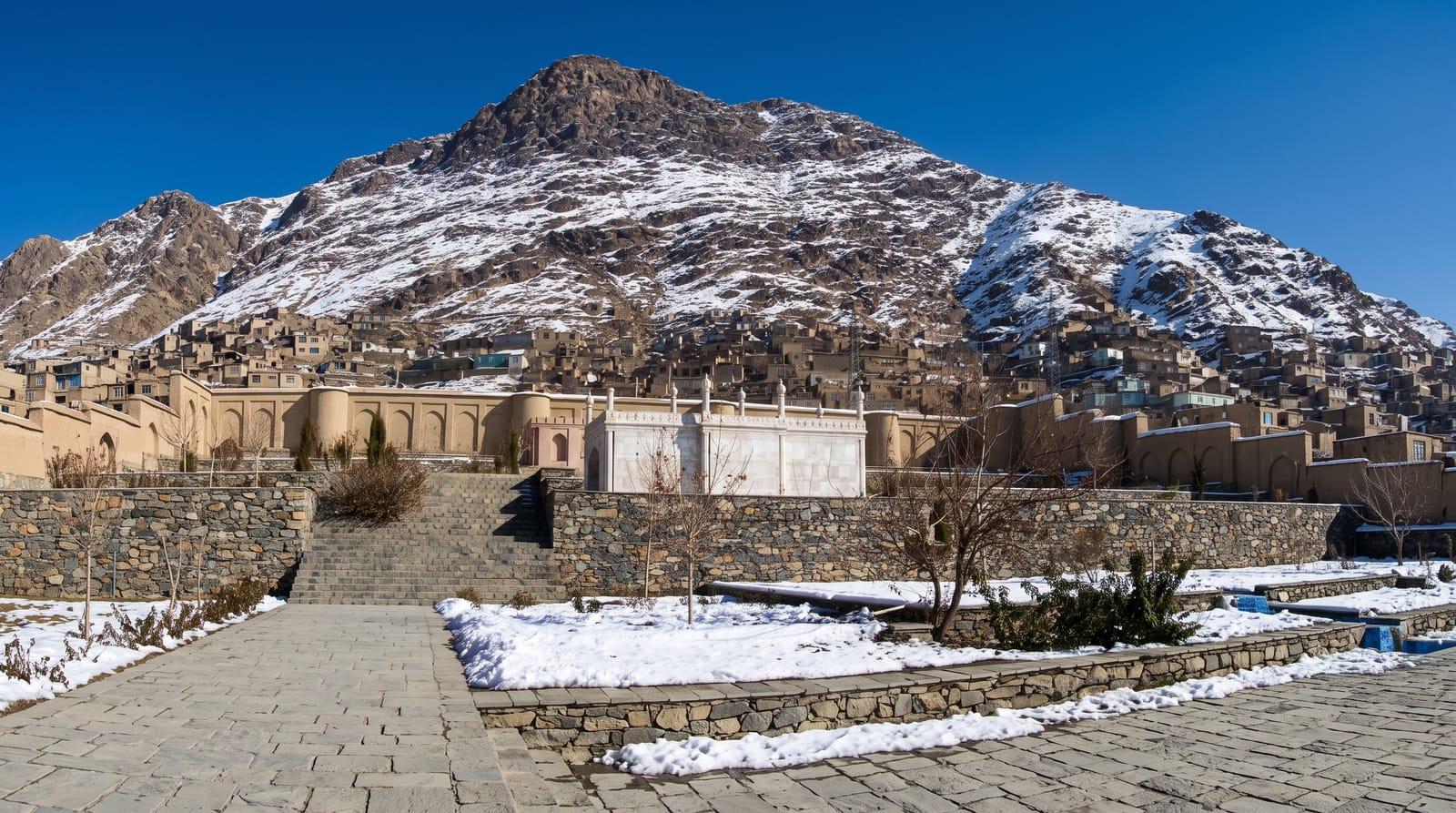
AI illustration
Babur - founder of the Mughal line - loved Kabul above his conquests, and chose its hillside for his rest: the Bagh-e Babur terraces climb the slope in the classic charbagh geometry he championed, plane trees and orchards over water channels, with his simple marble tomb enclosure near the crown and the small Shah Jahan mosque in white marble below it. Restoration in the 2000s returned the garden to civic life - families picnicking the lawns, the caravanserai hosting crafts, the pavilion museum telling the garden's centuries - and the terraces' view over the city to the mountains explains the emperor's choice wordlessly.
History
Relics found at the site go back to the 3rd century BC, but the garden as it is known began with Babur, who took Kabul from the Arghun dynasty in 1504 and, as his memoirs, the Baburnama, describe, ordered an avenue garden here, which he used as a guest house for special occasions, above all in summer. Mughal princes laid out gardens for pleasure in their lifetime and chose one of them as their last resting place, and Babur is believed to have asked to be buried in this one; in 1638 Shah Jahan put a marble screen around his tomb, and in his time a mosque was built on the thirteenth terrace, the one nearest to Mecca, with the enclosure for Babur's tomb and those of some of his male relatives on the fourteenth, which one scholar argues turned the garden into a graveyard. Later Afghan rulers re-developed it many times (Wikipedia, Gardens of Babur).
The main sights
- The charbagh terraces - the Mughal geometry climbing the slope.
- Babur's tomb - the founder's marble enclosure at the crown.
- The Shah Jahan mosque - white marble at the upper terrace.
- The city panorama - Kabul to the mountains from the walks.
When to go
April to June for blossom and roses, September to October for orchard gold. Arrange the trip through specialist local operators.
Practical notes
In the garden: it is a cherished civic space and a tomb precinct both - picnic culture and reverence share the terraces; dress and photography follow local custom comfortably.
Nearby
Kabul's old-city bazaars and the Chihilsitoon palace gardens.
Key facts
Source: Wikidata, item Q1900234, read on 18 October 2026.
What to pack for The Gardens of Babur
Chosen from what this place is for. Tap a kit for the full checklist.
- Comfortable walking shoes - Sightseeing means kilometres of pavement and cobbles daily. Find on Amazon
- Modest clothing - Shoulders and knees covered - the single most common requirement. Find on Amazon
- A slim anti-theft daypack - Zips that close properly; keep it in front in crowds and on transit. Find on Amazon
- A scarf or shawl - To cover the head or shoulders on entry; women especially at mosques. Find on Amazon
Some links on this page are Amazon affiliate links - if you buy through them we may earn a small commission at no extra cost to you.
All packing kitsPlan your trip
Where to start if The Gardens of Babur is going on the list.
Booking links on this page are affiliate links - if you book through them we may earn a small commission at no extra cost to you. It never changes what we write about a place.
Opening times, ticket prices and seasonal closures change - check the official source before you go: official site.